Why the One-Page Brief Still Wins Every Policy Meeting
The short version: when you sit down with a legislator or an agency staffer, you do not have an hour and you do not have their full attention. You have a few minutes and one chance to be clear. The organizations that win those rooms are not the ones with the thickest binder. They are the ones who hand over a single, tailored page that says exactly what they want, backed by sources, and then have a real conversation. That one page is the most underrated tool in advocacy, at every level of government.
The meeting is short, so your case has to be shorter
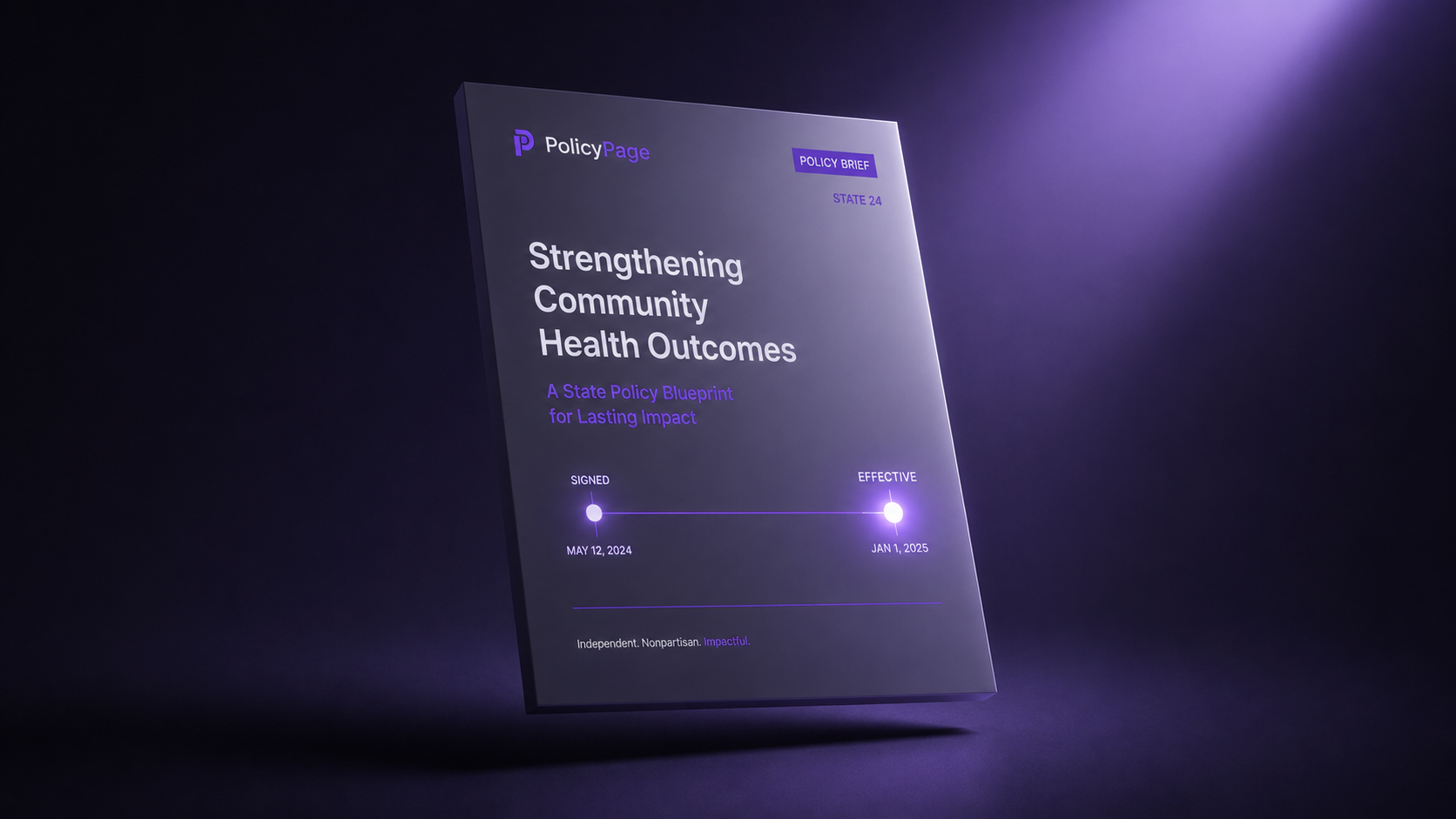
A meeting with a member's office is rarely long, and it is almost never uninterrupted. Staff are double-booked, the member may step out, and the next group is already waiting in the hall. Walking in with a stack of paper signals that you have not done the work of deciding what matters. Walking in with one page signals the opposite. It says you respect their time and you know your ask cold.
The discipline of one page is not about dumbing things down. It is about deciding. A good one-pager forces you to name the ask, the three reasons it holds up, and the evidence behind it, and to leave everything else out. That is the version a busy staffer will actually read, and it is the version that gets passed up the chain after you leave.
A brief written for everyone is written for no one
Here is where most advocacy material falls down. The same generic handout goes to every office, whether you are meeting a committee chair who has lived with the issue for years or a freshman member hearing it for the first time, whether it is a state capitol or a federal one. A health policy argument for a state senator on the health committee should not read like the argument you would make to a federal appropriations staffer. The framing, the data, even the ask should shift.
Tailoring is what separates a brief that lands from one that gets set aside. A page built for the specific person across the table, their chamber, their district, their committee, and the bill or funding line they actually touch, does more in a few minutes than a polished but generic deck ever will. The catch is that tailoring every page by hand, for every meeting, is exactly the work that does not scale.
Credibility lives in the citations
The fastest way to lose a room is to make a claim someone in it can poke a hole in. The fastest way to hold it is to source everything. When every number on the page traces back to an official government record or a piece of real research, you are not asking the staffer to take your word for it. You are handing them something they can forward to their boss without having to fact-check you first.
This matters more at the state level than people expect. State data can be harder to find and easier to get wrong than the federal numbers everyone quotes, and a brief that cites the right state-specific figures stands out precisely because so few do.
The hidden cost is prep time
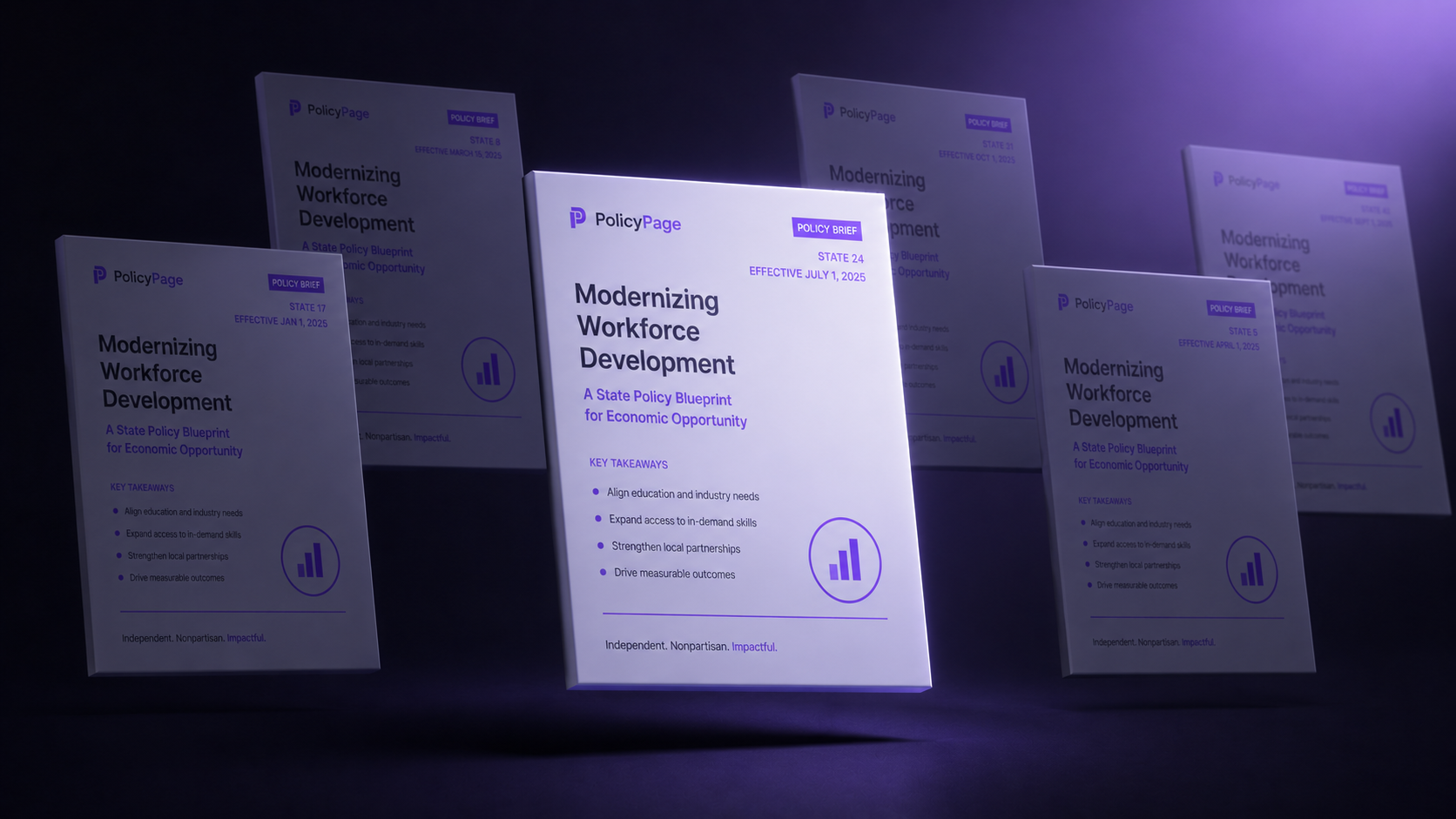
If the one-pager is so effective, why does anyone show up without one? Because building a good one is slow. Done properly, a single tailored, sourced brief is a few hours of an analyst's time: pulling the data, checking it, writing it tight, formatting it so it prints clean. For one meeting, that is manageable. For an advocacy day with thirty meetings, or a fly-in where fifty members each walk into a different office, it is impossible. So teams cut the corner. They reuse a generic page, or they wing it, and the quality of the room suffers.
That is the real bottleneck. Not strategy, not message. Prep. The work of turning what you know into the right page for each meeting is where good advocacy quietly breaks down.
Where PolicyPage comes in
This is the specific problem PolicyPage was built to solve. You tell it who you are meeting: federal or state, the chamber, the member's name, their district, their committee. You describe your ask and paste in your talking points or upload your supporting documents. It then searches official government sources and real research and builds a polished, one-page brief, fully cited, tailored to that exact meeting, in about thirty seconds instead of three hours.
From there it is yours. You click any line to edit it, add your logo and brand colors, and export a PDF that prints exactly as it looks on screen. The same tool works whether you are briefing a state legislator, a federal committee, or an executive agency, which means a thirty-meeting advocacy day becomes an afternoon of work instead of a week of it. The page still reads like your best analyst wrote it. You just get it back in the time it used to take to format the header.
You can generate your first three policy briefs free at policypage.ai. No credit card. Take a real meeting you have coming up and see what the page looks like when it is built for that exact room.
New to the terms in this piece? Browse the advocacy glossary.